How to import into Brazil: requirements, costs and who you need
By Orlando Medeiros ·
To import into Brazil, a company generally needs a Brazilian entity authorized in Siscomex, the correct tariff classification, any licenses required for the product, and a clear tax calculation. Foreign sellers usually need a local importer or partner. Most costly mistakes happen before the goods ship.

Who can be the importer
The first question is who will act as importer of record. The usual options are:
- Your own Brazilian company, authorized to operate in Siscomex.
- Your Brazilian customer, who buys from you and imports directly.
- A third-party importer or trading company, using a structure allowed under Brazilian rules, such as import on behalf of a third party or import by order.
Vendors sometimes present these as simple paperwork, but the model affects tax, liability and who pays the foreign supplier. Hiding the true buyer can be treated as fraud. Get local advice before choosing.
RADAR: the authorization
Companies need an authorization to operate in Siscomex, commonly called RADAR. According to Brazil’s Federal Revenue Service, the types are:
| Type | Import limit |
|---|---|
| Express | No limit, for specific types of company |
| Limited | US$ 50,000 or US$ 150,000 per six months |
| Unlimited | No limit, based on estimated financial capacity |
Exports are not subject to these limits. Check the limit before signing a purchase contract.
DUIMP replaced most of the old process
Brazil has moved to the Single Import Declaration (DUIMP) in the Portal Único, phasing out the older import declaration across 2026. Licenses and permits are handled largely through LPCO. Check the official schedule, since older guides may still describe the previous system.
Step by step
- Classify the product using the NCM code. This drives taxes and licensing.
- Check licensing. Agencies such as Anvisa (health), the Ministry of Agriculture, Inmetro and ANP (oil and fuels) may apply.
- Calculate landed cost, including taxes and local charges.
- Confirm the importer’s authorization and limit.
- Align documents: commercial invoice, packing list and bill of lading must match.
- Ship and file the declaration.
- Clear customs. The risk system assigns a channel.
- Pay local charges and deliver.
Customs channels
According to the Federal Revenue Service: green means automatic clearance, yellow adds a document review, and red adds physical inspection. The gray procedure deals with suspected customs fraud, including checks on declared value.
Used goods
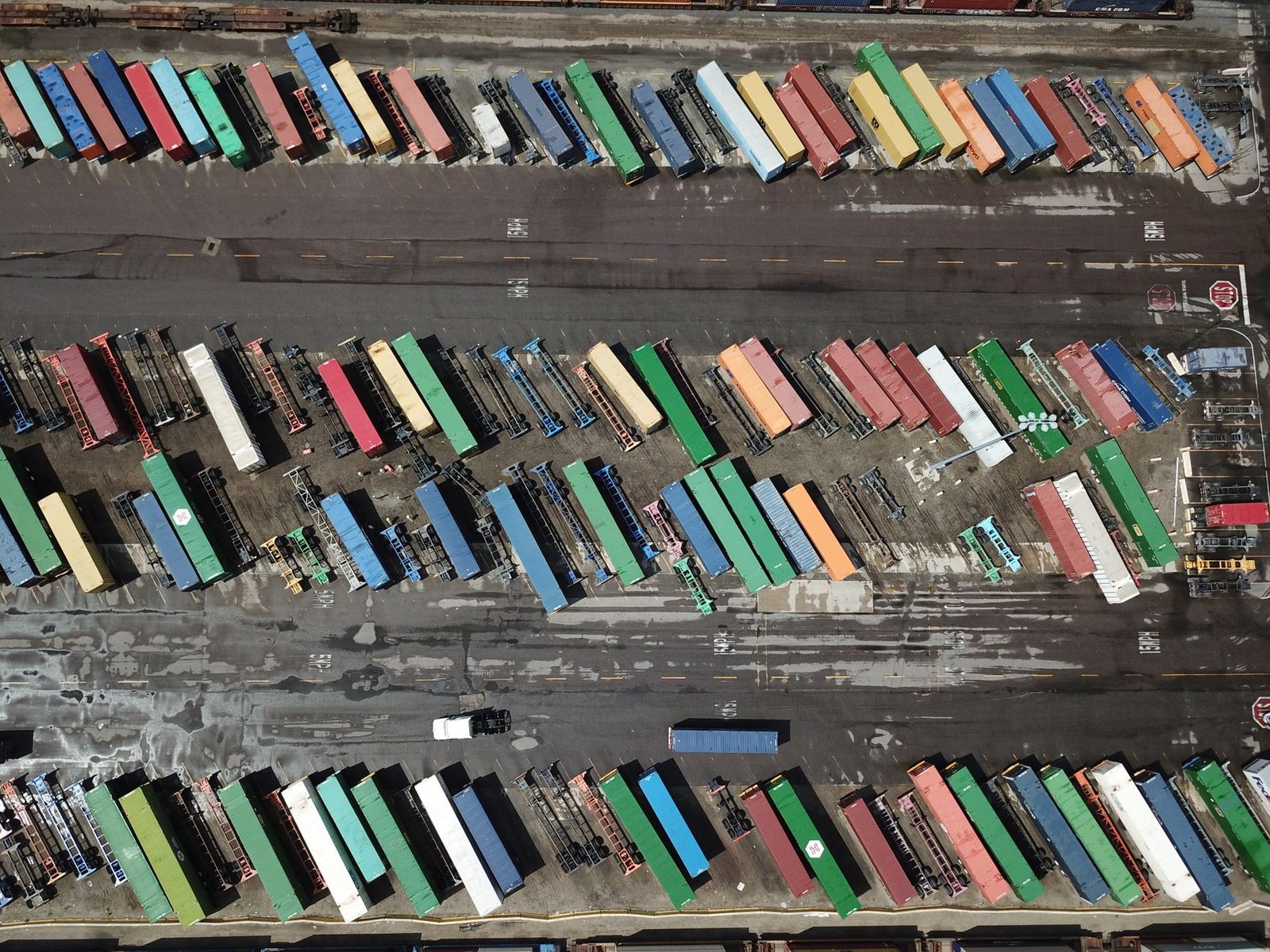
Importing used goods is restricted, and many used consumer goods, including most used vehicles, cannot simply be imported. Confirm the rule before negotiating a used lot.
Taxes
Imports may involve the Import Duty (II), IPI, PIS and COFINS, and the state tax ICMS. Rates depend on the product, and ICMS is calculated “inside” its own base, so a simple percentage on top understates it. Brazil’s tax reform is also phasing in new taxes over the coming years. See our Brazil import tax guide.
Common mistakes
- Buying before confirming the license.
- Using a generic description, such as “parts”.
- Declaring a value that does not match the market or the payment.
- Underestimating storage costs while the cargo waits.
- Assuming your supplier’s experience in other countries applies here.
Choosing a local partner
A licensed customs broker, a freight forwarder and an accountant usually do different jobs. Ask who is responsible for classification, licensing, filings, payments and delivery. Get the scope in writing, with fees separate from third-party costs.
Quick questions
Can a foreign company import without a Brazilian entity? Generally, the operation needs a Brazilian party. Vendors describe different structures, so get specific legal advice.
How long does clearance take? It depends on the channel, agency and port. Be careful with guaranteed timelines.
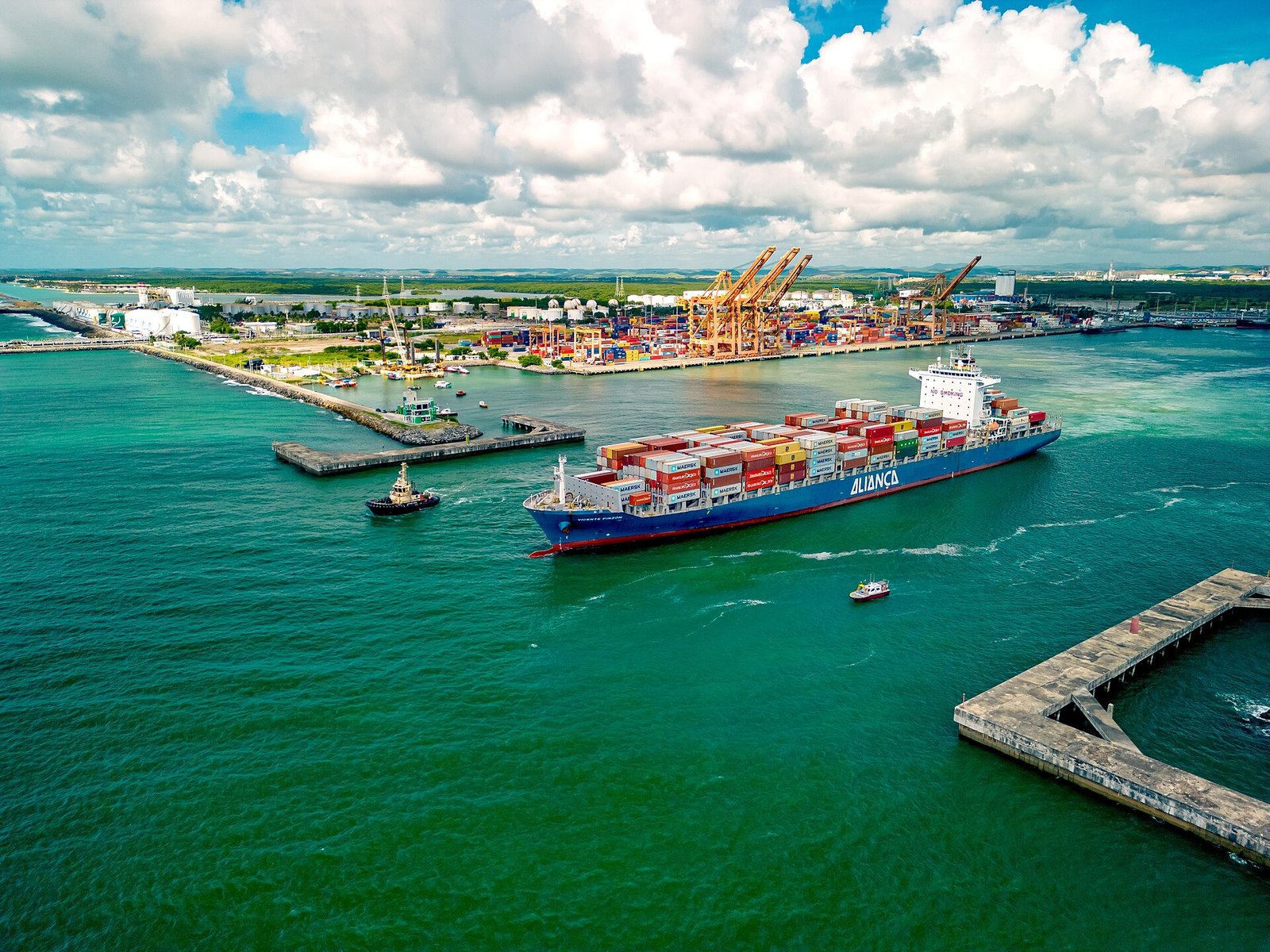
Which port should I use? Compare the total cost to the final destination, not only the port fee. Northeast ports such as Suape or Maceió may suit cargo bound for that region.
Planning a shipment to Brazil?
Send us your company name, product, volume, origin, destination and timeline. We will review it and tell you what comes next.
Read next: Hiring a customs broker in Brazil · Choosing a freight forwarder
This article is for general information and is not legal, tax or customs advice.